
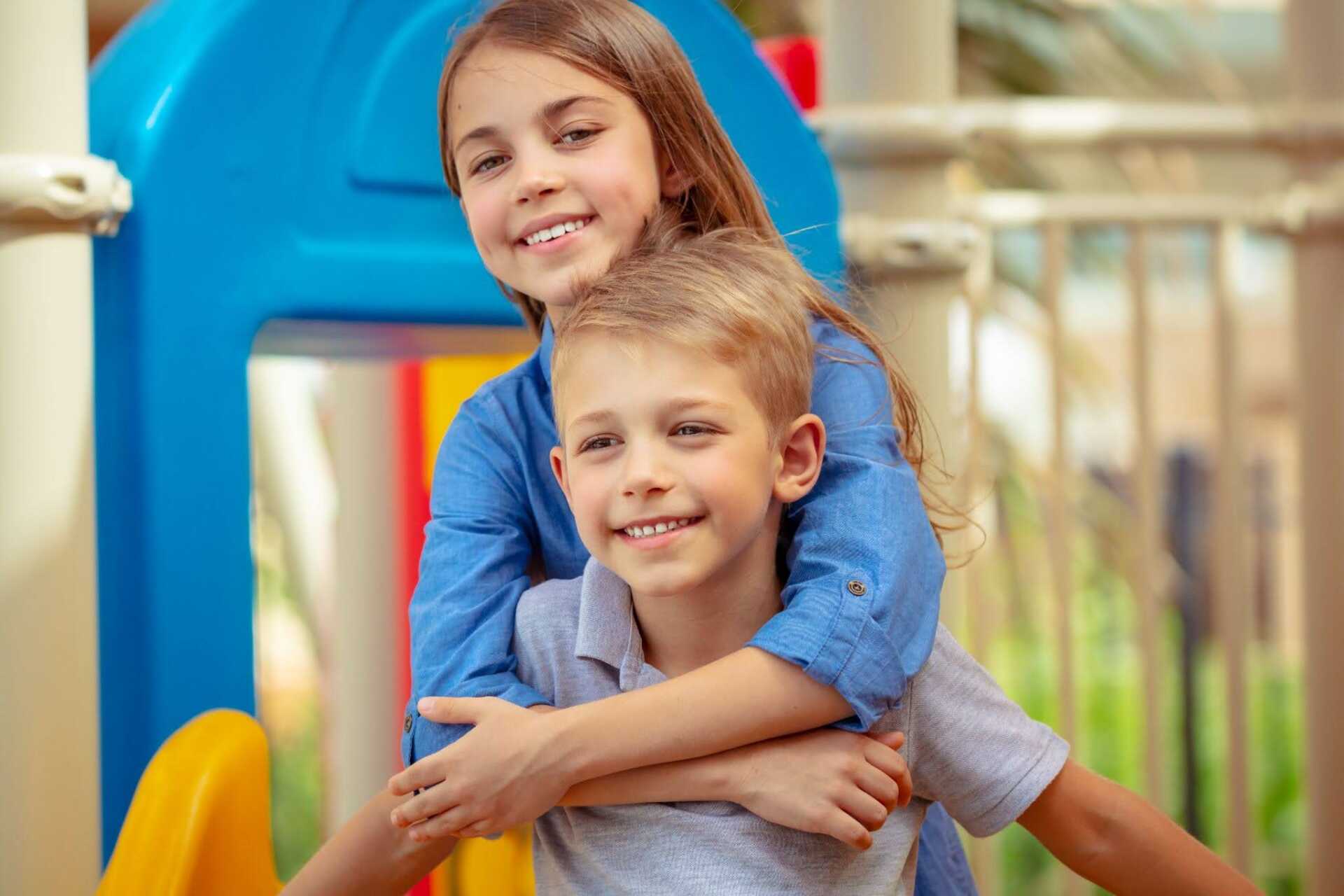
Adoptive parents can help biological siblings stay connected through regular contact, shared activities, and thoughtful cooperation between families. The best approach respects each child’s comfort, age, and wishes while making room for the relationship to grow.
You may wonder how to fit sibling visits into busy schedules or keep a connection strong across state lines. You may also feel unsure about working with a household whose routines differ from yours.
You do not need a perfect plan to begin. A thoughtful next step can create space for meaningful moments.
At An Open Door Adoption Agency, we provide adoption services, education, and ongoing resources to support families throughout their adoption journey. Maintaining sibling bonds is one part of caring for your child’s connections after adoption.
Recognize the Value of Sibling Bonds
Biological sibling connections can help children understand their family history and feel connected to their roots. These relationships deserve attention even when siblings grow up in different homes.
The Children’s Bureau’s guidance on birth family connections explains that ongoing relationships can support identity development. They can also help children understand the origins of their traits.
For siblings, that connection might include familiar memories, shared traditions, or learning about one another’s lives. Children who have never lived together can also get acquainted.
Perhaps they discover that both love drawing animals or laugh at the same jokes. Small discoveries can become starting points for conversation and play.
Make room for these relationships without expecting instant closeness. Each pair of siblings will find its own rhythm.
Talk Openly About Birth Siblings
Talk honestly about biological siblings, using words your child can understand. Welcome questions without expecting your child to discuss everything at once.
The National Council For Adoption’s guidance on birth sibling relationships encourages open conversations and room for changing feelings. Your child’s interest may develop over time.
You might say, “Your sister lives with her family in another town. We can talk about ways to stay in touch.”
Use the names and family terms that feel comfortable to your child. Keep explanations accurate, and acknowledge when you do not know an answer.
If your child asks why siblings live in different homes, explain the known circumstances gently. Speak warmly about both families, grounding your explanations in what you know about your child’s story.
The American Academy of Pediatrics recommends respectful adoption language. Using phrases like “making an adoption plan” helps you talk about your child’s beginnings with care and respect.
Your calm, welcoming response leaves the door open for future conversations.
Help Siblings Stay Connected After Adoption
Create a contact routine that fits both children and their caregivers. Agree on practical details so everyone understands what to expect.
Sibling contact may involve a birth parent, another adoptive family, or another caregiver. The National Council for Adoption explains that arrangements depend on where siblings live and who raises them.
Begin with an adult conversation about the children’s interests, schedules, and preferred ways to communicate. Choose a point person in each household.
For example, families might try a short video call on a weekend afternoon. They could then check whether the time works for both children.
Discuss how to reschedule and what information each family feels comfortable sharing. Ask permission before posting photos or sharing private details.
Confirm plans with the other adults before presenting them as definite to your child. A clear plan lets children focus on enjoying their sibling’s company.
Bridge the Distance With Shared Activities
Help siblings connect across geographical distances through calls, letters, and activities they can enjoy from separate homes. Offer choices that suit their ages and attention spans.
A younger child might enjoy showing a favorite toy during a brief video call. An older child might prefer exchanging voice messages about school or hobbies.
Try giving calls a simple activity. Siblings could draw the same animal, read a picture book together, or take turns telling a silly story.
Letters offer another way to stay involved. Children can exchange drawings, postcards, or questions about their favorite foods and games.
Consider a shared tradition, such as sending birthday artwork or taking a photo with the same favorite book. Keep it easy enough for both households to maintain.
When planning visits, discuss travel and school calendars early. Between visits, small exchanges can give siblings ways to share everyday life.
Make Visits Comfortable and Familiar
Plan sibling visits around simple activities that let children spend time together naturally. Keep early meetings manageable and leave room for breaks.
A park outing, picnic, or craft activity can give siblings something to do while they get comfortable. Choose a setting that works for both children.
Explain the plan beforehand. Tell your child who will attend, what you might do, and when you expect to leave.
Offer choices without making the child responsible for arranging the visit. You might ask whether they would rather bring sidewalk chalk or a board game.
Give siblings room to choose how they greet each other and spend time together.
Afterward, ask a gentle question such as, “What would you like to do together next time?” Let their answers guide ideas for your next visit together.
Respect Different Family Routines
Work with the other household to find shared expectations for sibling contact. Respect differences while keeping the children’s needs at the center.
Families may follow different rules about screen time, meals, bedtime, or celebrations. Talk through the details that affect a planned call or visit.
For example, one family may reserve evenings for homework. A weekend morning could work better for everyone.
If siblings have a wide age gap, choose an activity both can enjoy. An older sibling might read aloud while a younger sibling picks the story.
Handle scheduling discussions directly between adults. Let children focus on enjoying their time as siblings.
Keep expectations realistic. A routine that both households can manage gives the relationship room to continue through busy seasons.
Follow Each Child’s Changing Needs
Adjust sibling contact as children grow and their preferences change. Welcome each sibling’s feelings and let their bond grow at a pace that feels comfortable to both.
One child may want frequent calls while the other prefers occasional messages. Ask what feels comfortable, then help the adults find a workable approach.
The Children’s Bureau emphasizes that birth family relationships can evolve. Contact should reflect the needs and wishes of the children and families involved.
If a child feels unsure, offer a smaller step, such as choosing a photo to share. If they need a pause, listen and discuss next steps with the other caregivers.
When direct contact is unavailable, preserve photos and accurate information for your child. Keep conversations open and help your child explore the connections available now.
Support can also help families consider their options. Our post-adoption care and support resource explores education, counseling, and community resources for adoptive families.
Build a Connection With Lasting Care
Nurturing sibling bonds after adoption begins with listening, cooperation, and small opportunities to connect. You can support the relationship while allowing the children to shape its pace.
A shared joke, a familiar birthday tradition, or a letter about an ordinary day can become part of their story. Your role is to make space for those moments.
You do not have to work through every question alone. If you would like to discuss your family’s post-adoption needs, reach out to An Open Door Adoption Agency.
We welcome your questions and invite you to learn about resources that may help your family move forward with care.